Dental care for dogs

Dental care for dogs is about keeping plaque away before it has time to turn into tartar, and about dealing with bad breath. You do this by brushing the teeth with a toothbrush and toothpaste, giving a powder in the food if your dog does not want its teeth brushed, or letting your dog gnaw on chews that help keep the teeth clean. Tartar that has already set is removed by the vet.

How to look after your dog's teeth at home

Plaque is a soft coating that forms on the teeth all the time. If it is left, it hardens into tartar, which attaches both to the teeth and under the gum line and is hard to remove at home. Most dental care is therefore about removing plaque regularly.

How often should you brush your dog's teeth?

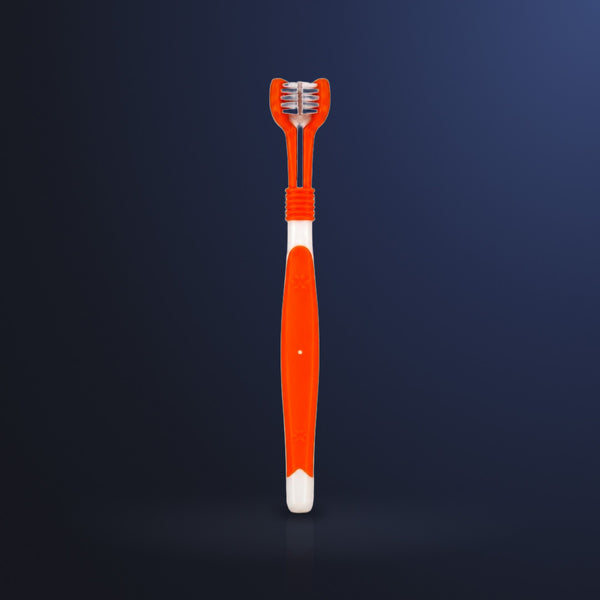
Ideally, your dog's teeth should be brushed every day. That is what the toothpaste manufacturer recommends, and regular brushing is the most effective way to keep plaque away. The Dubbelsidig Hundtandborste double-sided dog toothbrush has two brush heads of different sizes, which make it easy to reach both the front teeth and the teeth at the very back of the mouth, and soft bristles that are gentle on the gums. The most important thing at first is that your dog gets used to the brush, so that it is not something unfamiliar.

Which toothpaste should you use for a dog?

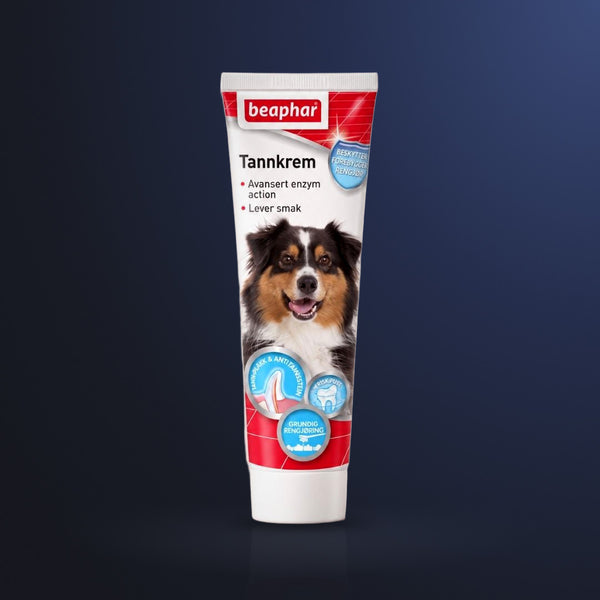
Use a toothpaste made for animals. Tandkräm med Enzymer from Beaphar contains enzymes that help counteract plaque and reduce the risk of tartar forming, and regular use contributes to fresher breath. It is liver flavoured and suits both dogs and cats.

What do you do if your dog will not let you brush its teeth?

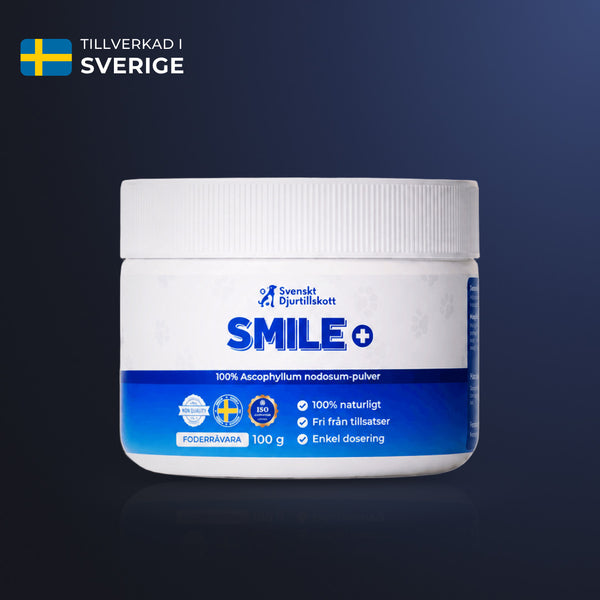
Many dogs never accept the toothbrush, and then oral care can happen through the food. SMILE+ is an anti-plaque powder made from the brown seaweed Ascophyllum nodosum. You sprinkle the powder over your dog's food every day, and the seaweed works via the saliva and makes it harder for plaque and tartar to attach to the teeth. So you do not need to put anything directly on the teeth. Give it for at least a few weeks, as oral hygiene builds up over time. If you already brush, SMILE+ complements the brushing.

Are chew bones good for your dog's teeth?

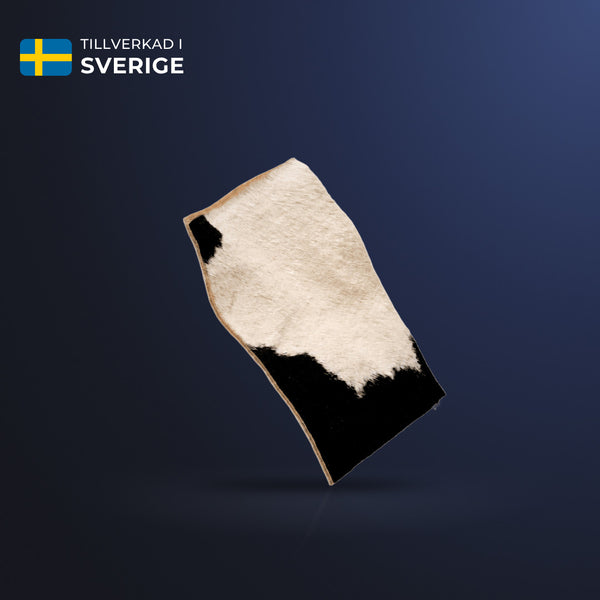
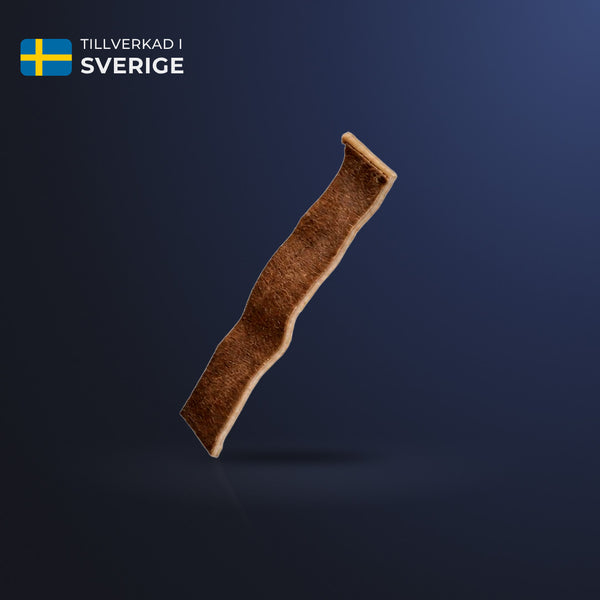
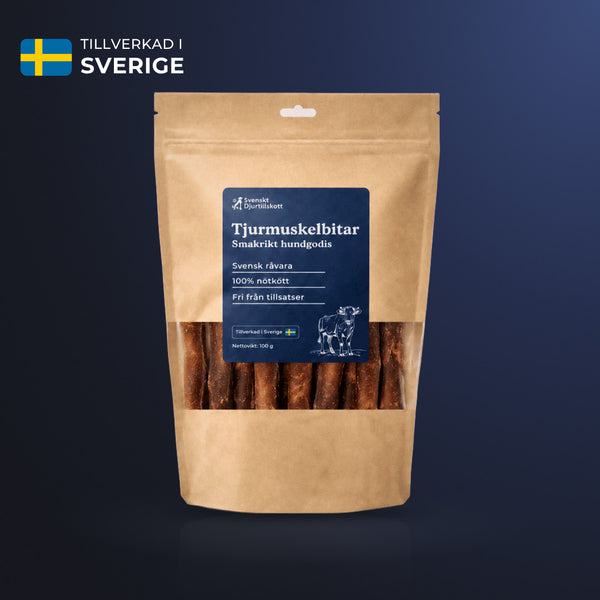
Yes. According to the product description for Njord's Nötchips and Nötstrips, both made of beef hide, chewing helps keep the teeth clean of deposits, and the benefit is there even if chewing is limited to 15–30 minutes a day. Tjurmuskelbitar, pieces of bull muscle, is a tough chew that also contributes to natural cleaning of the teeth. Give chews under supervision and with fresh water nearby.

How we choose our range

We only include chews here when the product itself states that chewing helps the teeth. You will find other chews among our chew bones. If there is heavy tartar or inflamed gums, your dog should be examined by a vet.

Product manager at Svenskt Djurtillskott

Comparison: Dental care for dogs
MethodExampleHow it worksHow oftenSuits when
Tooth brushingDubbelsidig HundtandborsteBrushes away plaque, two brush heads of different sizesEvery dayYour dog accepts the brush
ToothpasteTandkräm med Enzymer Hund/Katt 100gEnzymes that counteract plaque, liver flavourEvery time you brushYou brush the teeth
Powder in the foodSMILE+ Pulvret för din hunds mun och tänderBrown seaweed that works via the salivaOnce a dayYour dog refuses the toothbrush
Hide chewNötchips (100% Svensk Nöthud)Chewing helps keep the teeth cleanThe benefit comes already at 15–30 minutes a dayYour dog likes to chew
Muscle chewTjurmuskelbitar 100 gTough chew that contributes to natural cleaningAs a chewYour dog wants something tough

Swipe to see the full table →

Frequently asked questions about dental care for dogs

Can you remove tartar from your dog's teeth yourself?

Tartar that has set is hard and sits partly under the gum line, so it is removed by a vet. Scraping it yourself risks damaging the gums and does not reach what sits under the gum line. What you can do at home is keep plaque away, so that no new tartar forms.

Why does my dog have bad breath?

Bad breath is often the first sign that oral health is not as it should be, for example because of plaque, tartar or irritated gums. At home you can start with daily tooth brushing with an animal toothpaste, which contributes to fresher breath, or give SMILE+ in the food. Many dog owners notice fresher breath within a few weeks of daily use. If the smell does not go away, your dog should be examined by a vet.

What do I do after the vet has removed my dog's tartar?

Start keeping plaque away straight away, while the teeth are clean. Ideally brush every day, or give SMILE+ in the food if your dog does not accept the brush, and let your dog gnaw on chews that help keep the teeth clean. Ask your vet how often your dog's teeth need checking from now on.

Can you use ordinary toothpaste on a dog?

No, use toothpaste made for animals. Your dog swallows the toothpaste, and toothpaste for people is not made to be swallowed.

When should you start dental care for your dog?

It is easiest to start while your dog is young. A puppy that gets used to having its mouth and teeth handled usually accepts the toothbrush better as an adult. SMILE+ can be given to dogs of any age and breed. Ask your vet before you start if your dog is ill, pregnant or on medication.

Updated